


Key Points
Summary
Federal Reserve Governor Christopher Waller recently advocated for a potential interest rate cut in July, asserting that inflation from tariffs will be temporary and not politically driven. This stance highlights a growing divide within the Fed, as other members express varied opinions on the impact of President Trump’s tariffs on inflation and monetary policy. St. Louis Fed President Alberto Musalem remains undecided, cautioning that tariff effects on intermediate goods could have lasting inflationary impacts, while San Francisco Fed President Mary Daly leans toward two rate cuts this year, eyeing September as a possible start. Waller’s arguments gain significance as he is a potential candidate to replace Fed Chair Jerome Powell next May. Meanwhile, President Trump supports immediate rate cuts, citing economic strength and reduced debt interest costs. However, Fed Chair Powell and others advocate patience, pointing to a resilient economy and the need to assess tariff-driven inflation risks over the summer. Minutes from the June Fed meeting reveal further splits, with some members doubting any cuts this year due to persistent inflation risks, while others see tariff effects as temporary, supporting rate adjustments in 2023. This ongoing debate underscores the uncertainty surrounding inflation expectations and the Fed’s future policy direction amidst economic and political pressures.
Key Points
Summary
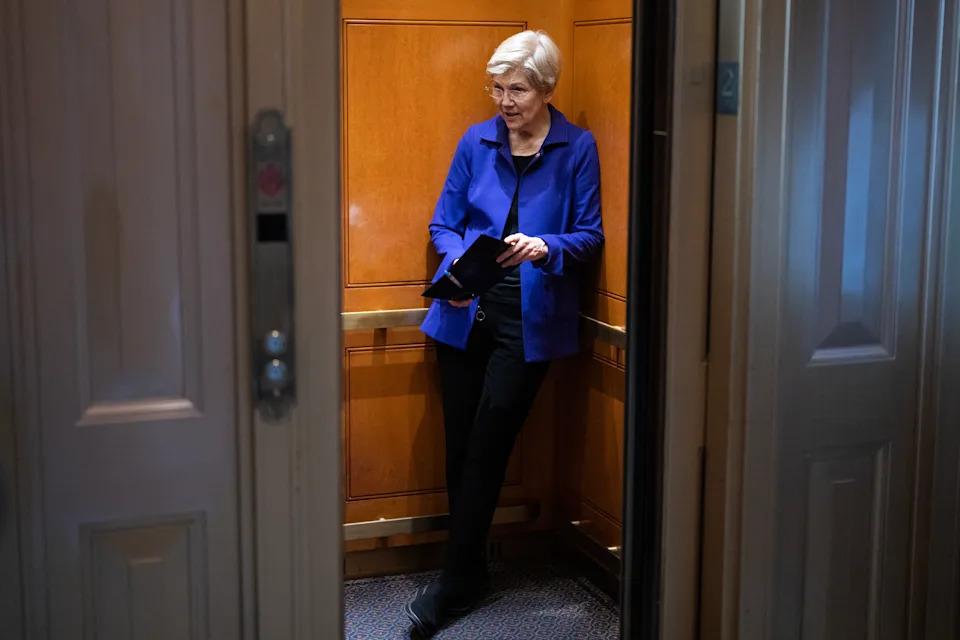
Senator Elizabeth Warren, alongside 15 Democratic lawmakers, has renewed a push for the Federal Trade Commission to investigate whether President Trump’s trade policies are leading to "tariff-enabled price-gouging." In a letter shared with Yahoo Finance, they cite anecdotal evidence from a Federal Reserve Bank of New York survey suggesting that some companies are raising prices on goods unaffected by tariffs, potentially exploiting the current economic climate, while also passing on actual tariff costs to consumers. This follows an unanswered May letter raising similar concerns. The Democrats emphasize the political weight of consumer price impacts, despite Trump’s assertions that foreign nations should bear tariff costs and his administration’s claims of declining imported goods prices. Surveys from the Institute for Supply Management and the New York Fed reveal mixed business responses, with some firms admitting to opportunistic price hikes. While Federal Reserve Governor Christopher Waller acknowledges isolated instances of gouging, he doubts it will significantly fuel inflation beyond direct tariff effects. Historical examples, like the 2019 tariff on washing machines inflating dryer prices, underscore unpredictable outcomes. With consumer effects from Trump’s trade plans under scrutiny, and Trump himself monitoring for price increases at companies like Walmart, the issue remains a focal point. The lawmakers, including prominent House and Senate Democrats, await a response from the Trump-appointed FTC Chair Andrew Ferguson, as the debate over tariffs and pricing continues to shape economic discourse.

Key Points
Summary
Delta Air Lines, the world’s largest carrier by revenue, reported robust second-quarter results, posting adjusted revenue of $15.5 billion and earnings per share of $2.10, beating expectations. Despite a slight revenue shortfall, the airline reinstated its full-year EPS guidance at $5.25 to $6.25, buoyed by improving economic conditions and progress in trade negotiations. Delta’s stock jumped over 10%, sparking a rally across the airline sector, with peers like American Airlines, Southwest, and United Airlines also seeing gains. CEO Ed Bastian noted stronger demand for the second half of the year, driven by consumer and business confidence, and highlighted Delta’s edge over budget carriers due to its focus on premium and business travelers. Premium revenue grew 5% faster than economy, while loyalty revenue rose 8%, fueled by partnerships like American Express. Bastian also praised a strong summer travel season, particularly internationally, despite trade war impacts on foreign passenger numbers. Delta’s investment in premium services and reliability positions it to capitalize on industry trends favoring quality experiences at competitive prices.
Key Points
Summary
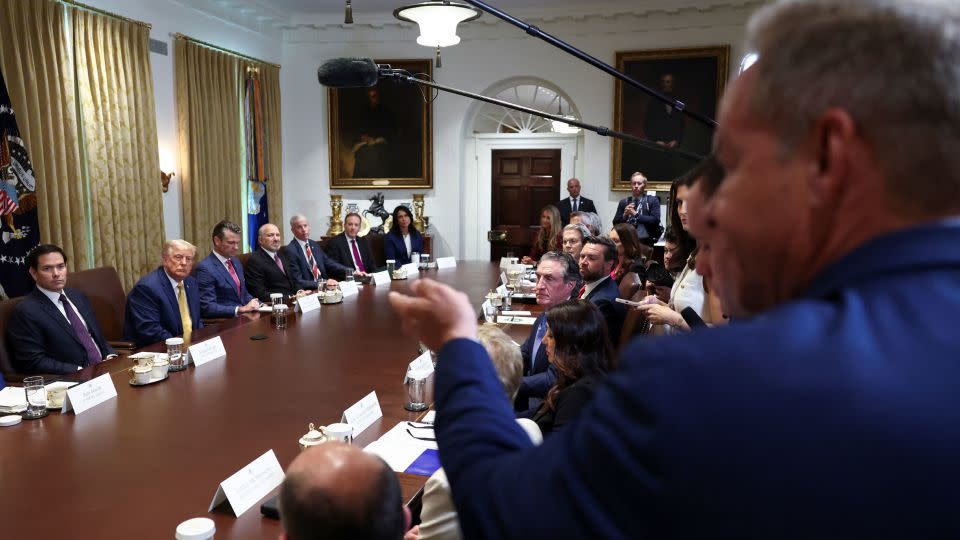
Donald Trump has threatened a 50% tariff on Brazil over the judicial treatment of former President Jair Bolsonaro, marking a significant escalation in using trade policy for unrelated political demands. In a letter, Trump demanded the dismissal of charges against Bolsonaro, labeling the trial a "witch hunt." Brazilian President Luiz Inacio Lula da Silva firmly rejected this interference, emphasizing Brazil's sovereignty and warning of retaliatory economic measures. This unprecedented move has heightened concerns among US trade partners about the unpredictability of Trump's trade agenda, suggesting that any issue could trigger tariff actions, regardless of existing agreements. The threat caused a 2.9% drop in the Brazilian real and minor declines in US equity futures, reflecting market uncertainty. Trump's broader strategy includes tariffs on nations like Algeria, Libya, and BRICS countries, often tied to geopolitical goals such as curbing fentanyl flow or protecting the US dollar's dominance. Analysts warn that such actions could erode confidence in US trade policy stability, potentially pushing emerging economies closer together. Despite a negotiation deadline of August 1, 2025, skepticism remains about the finality of any deals, as Trump continues to wield tariffs as a tool for diverse objectives, leaving global trade relations in flux.
Key Points
Summary
India is navigating a delicate balance in its relationship with the US amid President Donald Trump's criticism of the BRICS group, which he accuses of undermining the US dollar's dominance. While Trump has imposed significant tariffs on other BRICS nations like Brazil and threatened a 10% tariff on all members, including India, New Delhi is keen to avoid confrontation. Indian officials stress that the country does not support a unified BRICS currency or de-dollarization, focusing instead on reducing trade risks through local currency arrangements. Unlike Brazil and South Africa, India has refrained from publicly responding to Trump's remarks, prioritizing its strategic partnership with the US, especially as a counterweight to China. With a potential US-India trade deal on the horizon and India set to assume BRICS chairmanship in 2026, the country is positioning itself as distinct from other BRICS members like China and Russia. Despite recent strains, including Trump's claims regarding India-Pakistan relations, both nations aim to finalize the trade agreement by fall, which could reinforce their ties. India's cautious approach reflects its intent to maintain strong US relations while managing its role within BRICS.

Key Points
Summary
In his first 100 days, President Donald Trump claimed to have secured trade deals with 200 countries, yet only three—with China, the UK, and Vietnam—have been confirmed. Initially setting a deadline for global trade agreements, Trump delayed "Liberation Day" tariffs from July 9 to August 1 to allow more negotiation time, particularly with the European Union (EU). The EU and US are nearing a framework deal with 10% tariffs, a significant shift from Trump’s earlier criticism of the bloc, spurred by his threat of 50% tariffs. However, challenges persist with other nations like India, South Korea, and Japan, where sectoral tariffs on autos and steel remain contentious; Trump recently imposed 25% tariffs on Japan and South Korea. While countries such as Indonesia, Cambodia, Thailand, and Brazil are pushing for agreements, clarity on US expectations is lacking. Trump expresses frustration over unacceptable offers from trading partners, emphasizing his goal to stop countries from exploiting the US. The EU has warned of retaliatory measures if no deal is reached by the extended deadline, highlighting the high stakes of these ongoing negotiations.

Key Points
Summary
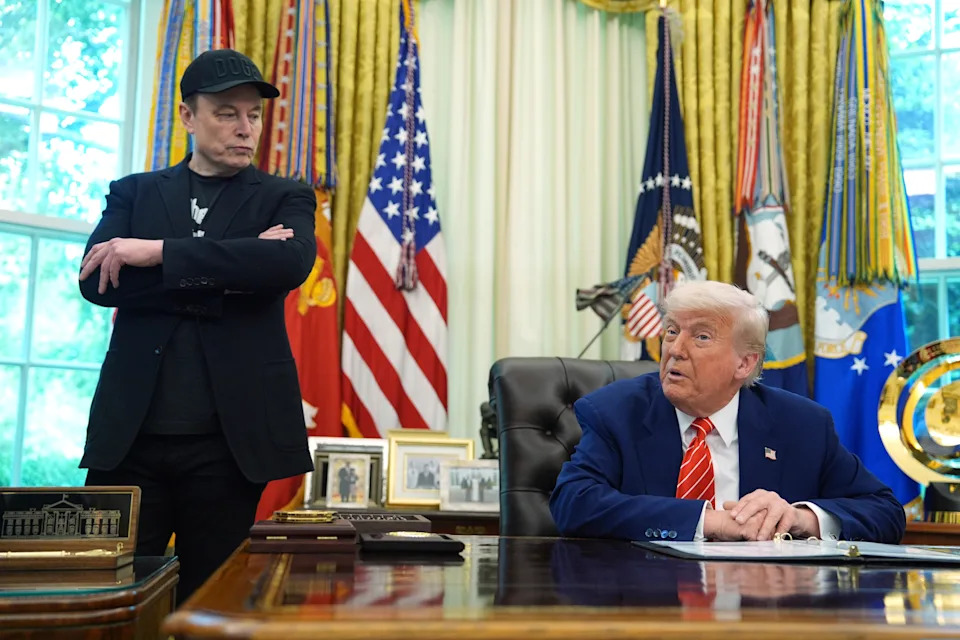
Nvidia (NVDA) has achieved a historic milestone by becoming the first publicly traded company to reach a $4 trillion market cap, outpacing tech giants like Microsoft and Apple. The chipmaker's stock has surged 22% year-to-date and 24% over the past year, fueled by the generative AI boom that began with OpenAI's ChatGPT in 2022. Nvidia's specialized chips, graphics cards, and CUDA software platform are pivotal for training and running AI programs, giving it a significant edge over competitors like AMD and Intel. Major tech companies, including Amazon, Google, Meta, and Microsoft, are investing billions in Nvidia's hardware to build AI data centers. Despite setbacks, such as a $600 million market cap drop earlier this year and U.S. export bans to China costing billions, Nvidia's stock remains resilient. The company has debunked concerns about its chips' relevance in AI inferencing and continues to benefit from global demand, including sovereign AI initiatives in countries like Saudi Arabia and across Europe. With the upcoming release of its Blackwell Ultra chips and no major competitors in sight, Nvidia is poised for further growth in the AI-driven tech landscape.
Key Points
Summary
Tesla is encountering significant hurdles as detailed in the article, with a notable decline in vehicle deliveries for 2024, dropping to 1.78 million from 1.8 million in 2023, marking its first annual decrease. This downturn is evident in a 13.5% drop in Q2 deliveries and a 27.9% fall in European EV registrations in May. Critics attribute part of Tesla's struggles to CEO Elon Musk's distractions with politics and other ventures, urging the board to refocus his efforts on the company. Meanwhile, Tesla faces fierce competition from GM, Ford, Hyundai, and Volkswagen, alongside brand fatigue and an aging product lineup. The loss of EV tax credits and regulatory credits due to Trump's "One Big Beautiful Bill" further threatens Tesla's bottom line, with significant revenue impacts expected. In response, Musk is steering Tesla towards AI and robotaxis, with tests underway in Austin, Texas, seen as a potential game-changer despite execution challenges and competition from Alphabet's Waymo and Amazon's Zoox. Analysts stress that Tesla must prioritize execution over innovation to navigate these turbulent times, balancing battery production, product updates, and regulatory scrutiny while addressing declining demand and policy shifts. Tesla's stock, down over 25%, reflects investor concerns, though optimism remains for autonomous technology to potentially redefine the company's future.

Key Points
Summary
President Trump’s new tax bill introduces significant changes for homeowners, particularly benefiting high earners in high-tax states. The state and local tax (SALT) deduction cap rises from $10,000 to $40,000, enabling more homeowners in states like New York, New Jersey, and California to itemize deductions and save thousands annually. This temporary measure, effective from 2025 to 2030 with a 1% yearly increase, also reinstates the mortgage insurance premium deduction and maintains the mortgage interest deduction on the first $750,000 of a mortgage. Financial experts note that working professionals with large mortgages will see the most benefit, while retirees with smaller or paid-off loans are less impacted. However, households earning over $500,000 face a reduced cap, and the policy may spur demand and price increases in already tight housing markets. Despite the relief, some wealthy Americans continue relocating from high-tax states due to cost of living and remote work trends. The bill reverses a post-2017 trend where only 10% of taxpayers itemized, potentially encouraging more to do so now.

Key Points
Summary
The stock market in 2025 is soaring to new heights, propelled by megacap giants like Nvidia and Meta, as well as speculative investments in meme stocks such as Palantir and heavily shorted names like Super Micro Computer. Retail investors are a driving force behind this rally, favoring riskier, unprofitable tech and momentum-driven trades over traditional fundamentals, as highlighted by experts like Liz Ann Sonders of Charles Schwab. Data from Goldman Sachs and Bespoke Investment Group shows unprofitable companies and high-beta stocks significantly outperforming the broader market, with nearly 420 Russell 3000 stocks surging over 50% in a short period. New entrants like Circle and CoreWeave have skyrocketed post-IPO, reflecting the speculative appetite. However, this disconnect from fundamentals raises red flags on Wall Street, with warnings of market gamification and potential risks from strategists like Chad Morganlander and Steve Sosnick. While momentum and fear of missing out (FOMO) currently dominate investor behavior, concerns linger that fundamentals will eventually reassert themselves, potentially leading to a market correction. For now, the bullish wave persists, though not without cautionary notes about future volatility.
Key Points
Summary
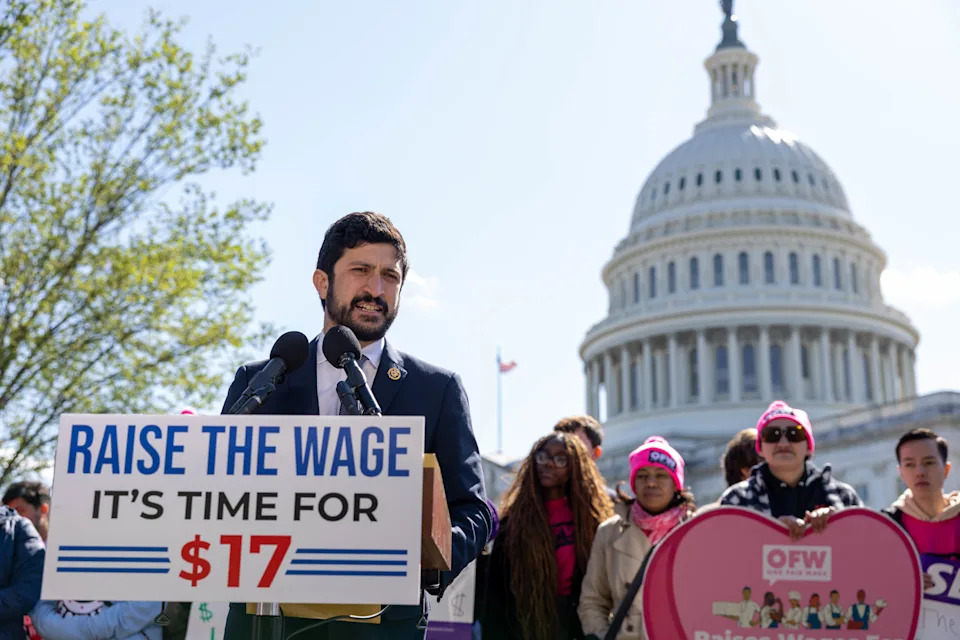
Starting July 1, minimum wage increases have boosted pay for over 880,000 workers in Alaska, Oregon, and Washington, D.C., with D.C.'s rate rising from $17.50 to $17.95 per hour. Additionally, cities like Chicago, Los Angeles, and San Francisco, among others, have implemented wage hikes, impacting nearly 3 million minimum wage earners and over 6.2 million others indirectly through pay structure changes. According to the Economic Policy Institute, nearly 60% of affected workers are women, and almost half are full-time employees. These raises are crucial for combating inflation, which hit a 40-year high of 9.1% in 2022 before dropping to 2.4%, yet experts argue more federal action is needed as the national minimum wage remains at $7.25, unchanged for over 15 years. Variations exist by state and sector, with California’s healthcare workers seeing rates up to $24 per hour, and tipped employees in some regions also benefiting. Overall, 88 jurisdictions across 23 states are set to raise wages by the end of 2025, addressing an ongoing affordability crisis as highlighted by Yannet Lathrop of the National Employment Law Project. Legislative efforts like the Raise the Wage Act aim to push the federal minimum to at least $17 per hour over five years, reflecting a broader push for economic relief.
Key Points
Summary
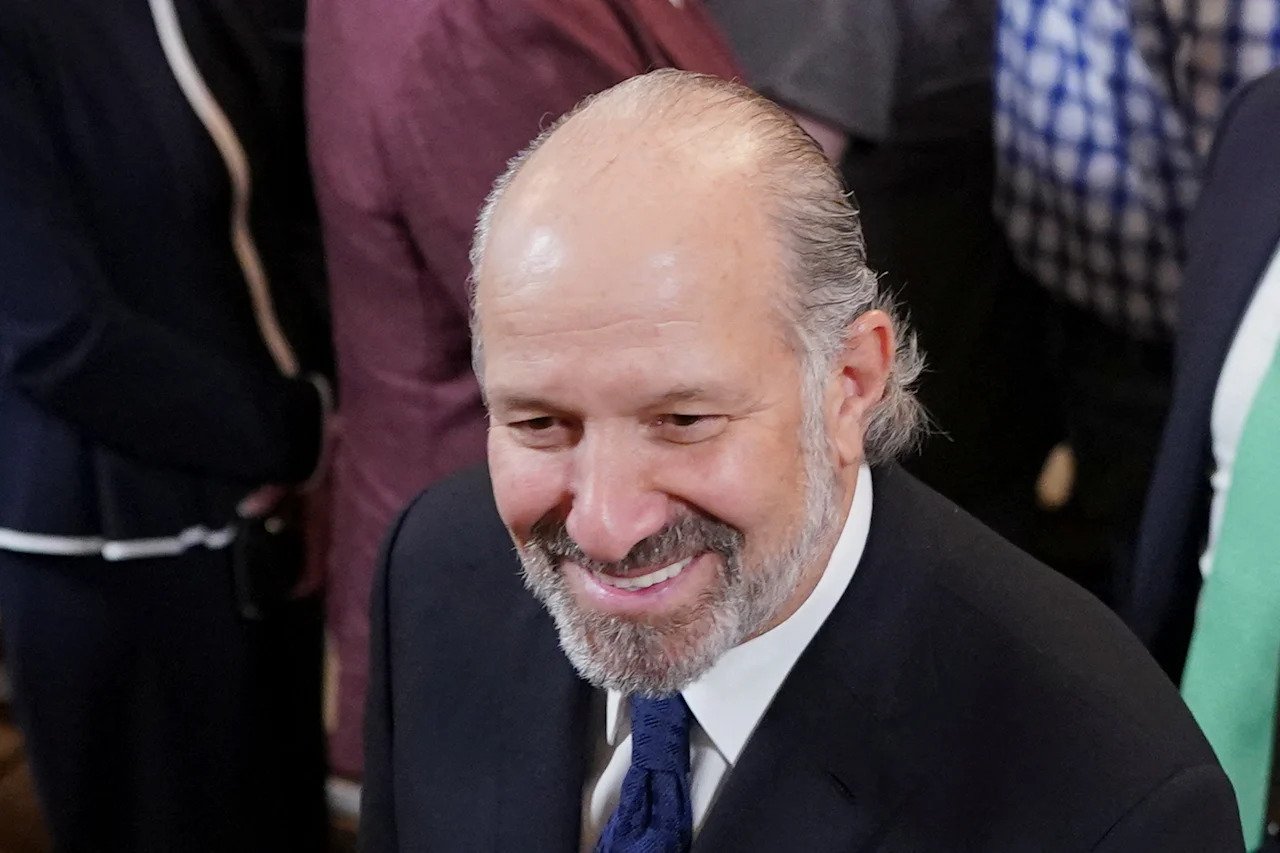
As President Trump's July 9 deadline for imposing higher tariffs on US trade partners approaches, notifications of new rates—ranging from 10% to 70%—will be sent starting Friday, effective August 1. Treasury Secretary Scott Bessent anticipates around 100 partners will face at least a 10% rate, with a flurry of deals expected before the deadline. So far, only a few agreements have been secured, including a recent deal with Vietnam setting a 20% tariff on imports and 40% on transshipped goods. Negotiations with China show signs of easing tensions with lifted export restrictions on chip software and ethane. Meanwhile, talks with Japan have soured, with potential tariffs up to 35%, and the EU is open to a 10% tariff with exemptions. Canada has resumed discussions after scrapping a digital services tax. Trump's tariff strategy aims to bolster Treasury funds amid concerns over national debt, following a $3.4 trillion tax cut and spending package. With the clock ticking, Commerce Secretary Howard Lutnick and others face pressure to finalize more pacts, as the global economy seeks clarity on Washington's trade policies.

Key Points
Summary
This article by Kerry Hannon on Yahoo Finance covers several personal finance and retirement issues. BlackRock is introducing a target-date fund for 401(k)s that includes private equity and credit, promising higher returns but with increased risks, fees, and liquidity concerns. Meanwhile, the Social Security Administration has limited transparency by removing performance data from its website, urging online interactions despite accessibility challenges for many seniors. The piece also highlights a widespread lack of retirement literacy, with many Americans guessing their savings needs and lacking investment knowledge. Additionally, nearly half of Americans are wary of investing due to market volatility, with experts recommending diversified, long-term strategies. Hannon emphasizes the need for better education and risk management as economic uncertainties persist, affecting retirement planning for everyday investors.

Key Points
Summary
A robust June jobs report has shifted expectations for Federal Reserve actions, significantly lowering the likelihood of a rate cut in July to just 5%, down from 24% a day earlier, as per the CME FedWatch Tool. The strong employment data also reduced the probability of a September cut from 94% to 68%, indicating confidence in the economy's resilience. Economists like Nancy Vanden Houten from Oxford Economics suggest the Fed can hold policy steady, observing tariff impacts on inflation, while Jeffrey Roach of LPL Financial notes the Fed's comfortable "wait-and-see" stance amid ongoing trade negotiations. Politically, the report intensifies White House criticism of Fed Chair Jerome Powell, with President Trump demanding his resignation and Treasury Secretary Scott Bessent questioning the Fed's rate decisions. Despite these tensions, the positive labor market news propelled the S&P 500 and Nasdaq to record highs, reflecting market optimism. The upcoming Consumer Price Index data on July 15 will provide further insight into inflation trends, continuing the macro play-by-play. Hamza Shaban of Yahoo Finance highlights how the jobs data and Fed policy expectations interplay with market sentiment and political narratives, shaping economic discourse.

Key Points
Summary
As home prices and mortgage rates soar, only three US cities—St. Louis, Detroit, and Pittsburgh—offer median homes under $300,000, making them affordable for households earning $70,000 to $80,000 annually. In Pittsburgh, the most affordable, a median home at $250,000 costs 27.4% of the average $73,000 income, while St. Louis and Detroit hover near the 30% affordability threshold. The Midwest remains a bastion of lower home prices, over $150,000 below national averages, though rising costs and limited construction threaten this status. Realtors note St. Louis suburbs like Affton offer homes under $250,000, but prices are climbing at a steady single-digit pace. High mortgage rates, averaging 6.8% in May, exacerbate affordability challenges nationwide, with experts suggesting rates must fall below 4% to expand accessible markets. This highlights the compounding impact of elevated home prices and interest rates on housing costs, pushing many out of local markets and prompting consideration of Midwest relocation for budget-conscious buyers.
Key Points
Summary
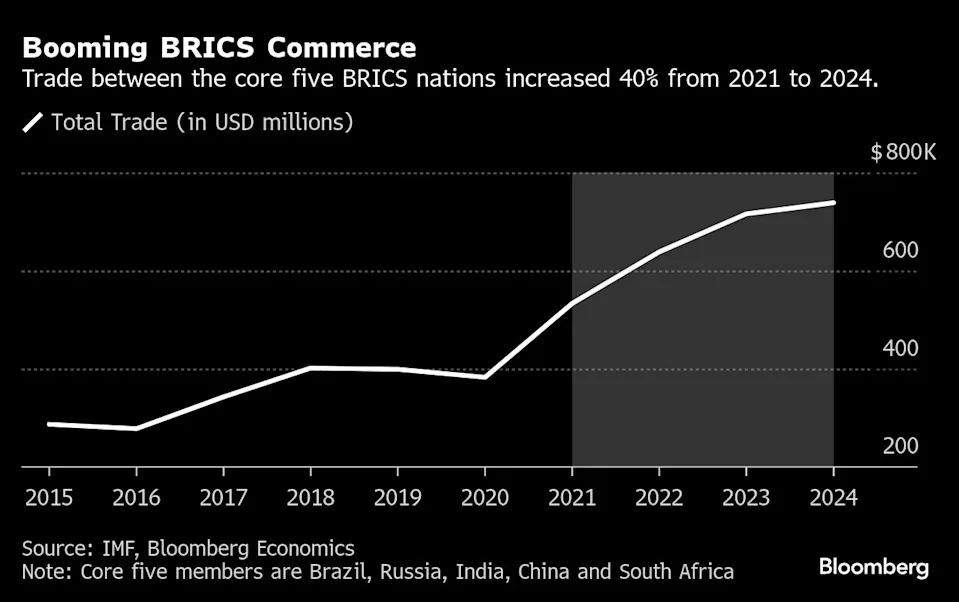
The BRICS summit in Rio de Janeiro, hosted by Brazilian President Luiz Inacio Lula da Silva, highlights the group’s renewed purpose amid US President Donald Trump’s tariff policies. Leaders from Brazil, Russia, India, China, and South Africa, along with newer members like Egypt and Iran, are poised to condemn protectionist measures in a joint statement, signaling opposition to Trump’s trade agenda without directly naming the US. As Trump alienates allies with his "America First" stance, BRICS aims to champion multilateralism and free trade, despite longstanding internal divisions and a lack of shared values. The bloc’s expansion enhances its global economic weight, representing 40% of GDP, but coherence remains elusive. Trump’s threats, including potential 100% levies for abandoning the dollar, have paradoxically encouraged BRICS to explore alternative payment systems and boost intra-bloc trade, which grew 40% to $740 billion between 2021 and 2024. Climate finance also emerges as a key topic, with China positioning itself as a reliable partner. However, absences by leaders like Xi Jinping and Vladimir Putin, alongside geopolitical tensions and rivalries (notably between China and India), underscore the challenges BRICS faces in becoming a unified global force. While Trump’s policies offer a rallying point, the group’s geopolitical influence is expected to grow only gradually, tied to its economic heft and potential further expansion.


